Dental Bone Graft Post-Op Instructions: A Comprehensive Guide
Navigating the dental bone graft recovery timeline is crucial for optimal healing; this guide provides essential post-operative instructions for a smooth recovery process.
Understanding each stage – from initial recovery to final bone maturation – empowers you to actively participate in your healing journey and achieve lasting jaw health.
This comprehensive resource details pain management, dietary restrictions, oral hygiene, and potential complications, ensuring you’re well-prepared for each phase of recovery.
Understanding Dental Bone Grafts
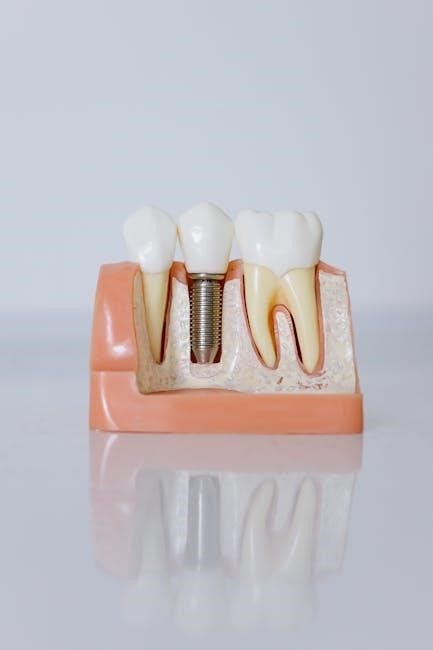
Dental bone grafts are a cornerstone of modern dental restorative procedures, particularly when addressing insufficient jawbone density. This deficiency can hinder the successful placement of dental implants, which require a solid foundation for long-term stability and function. A bone graft essentially acts as a scaffold, providing the necessary volume and support for successful implant integration.
The process involves transplanting bone tissue – either from another area of your body (autograft), a donor (allograft), or synthetic materials – into the deficient area of the jaw. This transplanted bone stimulates natural bone regeneration, gradually fusing with the existing jawbone over several months. Understanding this fundamental process is key to appreciating the importance of diligent post-operative care.
Successful bone grafting relies heavily on a patient’s commitment to following post-operative instructions, as the healing stages are critical for optimal bone formation and integration. Ignoring these guidelines can compromise the graft’s success and potentially necessitate further intervention.
What is a Dental Bone Graft?
A dental bone graft is a surgical procedure designed to restore or rebuild bone in the jaw. It’s frequently necessary when bone loss has occurred due to factors like periodontal disease, tooth extraction, trauma, or congenital defects. This loss compromises the stability needed for dental implants, making a graft essential for a successful outcome.

Essentially, the procedure involves placing new bone material into the jawbone. This material can be sourced from various places: an autograft (your own bone, typically from the hip or chin), an allograft (bone from a donor), or a synthetic bone substitute. The graft acts as a framework, encouraging new, natural bone cells to grow and integrate with the existing jaw structure.
The goal is to create a strong, stable foundation capable of supporting a dental implant or other dental restorations. Proper post-operative care is paramount to ensure successful bone regeneration and prevent complications.
Types of Bone Grafts Used in Dentistry
Several types of bone grafts are utilized in dentistry, each with unique characteristics and suitability depending on the individual case. Autografts, considered the “gold standard,” utilize bone harvested from another site in the patient’s own body – commonly the hip or chin – offering optimal integration due to its biological compatibility.
Allografts employ bone sourced from a donor, typically a deceased individual, and are thoroughly screened and processed to ensure safety. These eliminate the need for a second surgical site but may have a slightly slower integration rate than autografts.
Xenografts utilize bone from another species, often bovine (cow), and are treated to remove all cellular material, leaving a porous matrix for bone growth. Finally, synthetic bone grafts are manufactured materials designed to mimic natural bone structure. The choice of graft impacts the recovery timeline and post-operative care requirements.

Immediate Post-Operative Care (Days 1-7)
Focus on pain management, swelling control, and gentle oral hygiene during the initial week; adhere to dietary restrictions for optimal healing and recovery.
Pain Management After Surgery
Expect some discomfort following your dental bone graft procedure; managing pain is a key component of early recovery. Your dentist will likely prescribe pain medication – take it precisely as directed, even if you feel minimal discomfort initially, to proactively control pain.
Over-the-counter pain relievers, such as ibuprofen or acetaminophen, can supplement prescribed medication, but always consult your dentist before combining medications. Applying ice packs to the affected area for 20 minutes on, 20 minutes off, during the first 24-48 hours, significantly reduces swelling and numbs the area, alleviating pain.
Avoid strenuous activity, as it can increase blood flow and exacerbate pain. Ensure you get adequate rest to allow your body to focus on healing. If pain persists or intensifies despite medication and ice, contact your dentist immediately, as it could indicate a complication.
Swelling and Bruising Control
Swelling and bruising are common after a dental bone graft; managing these side effects promotes comfort and optimal healing. Immediately following surgery, apply ice packs to the external cheek area for 20 minutes on, 20 minutes off, for the first 48-72 hours. This constricts blood vessels, minimizing swelling and bruising.
Keep your head elevated, even while sleeping, using extra pillows. This helps drain fluids away from the surgical site, reducing swelling. Avoid strenuous activity for at least a week, as it can increase blood flow and worsen swelling. Gentle head and neck exercises, as recommended by your dentist, can improve circulation.
Bruising may appear, typically peaking within a few days, and will gradually fade. If swelling or bruising significantly increases after the first few days, or if you experience severe pain, contact your dentist promptly to rule out any complications.
Dietary Restrictions: First Week
Following a soft food diet is crucial during the first week after a dental bone graft to protect the surgical site and promote healing. Avoid chewing hard, crunchy, or sticky foods that could disrupt the graft or cause discomfort. Opt for liquids and pureed foods like smoothies, yogurt, applesauce, and broth-based soups.
Gradually introduce softer foods as tolerated, such as mashed potatoes, scrambled eggs, and cooked pasta. Ensure all foods are lukewarm or cool to avoid irritating the surgical area. Stay hydrated by drinking plenty of water, but avoid using a straw, as the sucking motion can dislodge the blood clot.
Avoid spicy or acidic foods, as they can cause irritation. Prioritize nutrient-rich foods to support the healing process. Listen to your body and avoid anything that causes pain or discomfort.
Oral Hygiene: Gentle Cleaning
Maintaining meticulous, yet gentle, oral hygiene is paramount after a dental bone graft. However, aggressive rinsing or brushing can dislodge the blood clot and compromise healing. For the first 24-48 hours, avoid rinsing altogether. After that, gently rinse with warm salt water (1/2 teaspoon salt in 8 ounces of water) after meals.
Use a soft-bristled toothbrush and brush very gently around the surgical site, avoiding direct contact with the graft area. Continue brushing your other teeth as usual to maintain overall oral health. Your dentist may recommend a chlorhexidine mouthwash, but use it as directed.
Avoid flossing near the graft site for the first week. Proper oral hygiene prevents infection and supports optimal healing, but must be approached with extreme care and gentleness.
Early Healing Phase (Weeks 2-6)
During weeks two to six, monitor for infection, attend follow-up appointments for stitch removal, and gradually progress your diet as bone begins to form and integrate.
Monitoring for Infection Signs
Vigilantly monitoring for signs of infection is paramount during the early healing phase, typically weeks 2-6 post-surgery. Be acutely aware of any unusual symptoms and promptly contact your dentist if they arise. Key indicators of a potential infection include increased pain, despite adhering to prescribed pain management protocols, and escalating swelling beyond the expected post-operative norm.
Additionally, watch for the presence of pus or discharge emanating from the surgical site. Any noticeable redness spreading outwards from the area is also a concerning sign. A fever, generally considered 100.4°F (38°C) or higher, warrants immediate medical attention. Unpleasant tastes or odors in your mouth, not attributable to normal healing, could also suggest an infection.
Remember, early detection and intervention are crucial for effectively managing any infection and preventing complications that could compromise the success of your dental bone graft. Do not hesitate to reach out to your dental professional with any concerns, no matter how minor they may seem.
Stitch Removal and Follow-Up Appointments
Scheduled follow-up appointments are integral to monitoring your healing progress and ensuring the bone graft’s successful integration. Your dentist will determine the optimal timing for stitch removal, typically occurring within one to two weeks post-surgery, depending on the type of sutures used and the individual healing rate.
During these appointments, the surgical site will be thoroughly examined for signs of infection, inflammation, or any other complications. Radiographic imaging, such as X-rays, may be taken to assess bone formation and the overall health of the grafted area. These images provide valuable insights into the healing process that aren’t visible during a clinical examination.
Adhering to the recommended follow-up schedule is crucial, even if you feel your recovery is progressing well. These appointments allow your dentist to proactively address any concerns and provide personalized guidance throughout the healing journey, maximizing the long-term success of your dental bone graft.

Gradual Dietary Progression
Following the initial week of strictly soft foods, a gradual dietary progression is essential to avoid disrupting the healing bone graft site. Begin by introducing slightly more textured foods, such as mashed potatoes with small pieces of soft vegetables, or scrambled eggs. Avoid anything requiring significant chewing or creating pressure on the surgical area.
Over the subsequent weeks, slowly incorporate foods with increasing texture – progressing from cooked pasta and soft fish to tender meats and well-cooked vegetables. Continue to avoid hard, crunchy, or sticky foods that could dislodge the graft or irritate the healing tissues. Listen to your body and adjust the pace based on your comfort level.
Maintaining adequate nutrition is vital for bone regeneration. Ensure your diet is rich in protein, vitamins, and minerals to support the healing process. Hydration is also crucial; drink plenty of water throughout the day to promote overall health and recovery.
Activity Restrictions and Precautions
During the early healing phase, it’s crucial to limit strenuous physical activity. Avoid heavy lifting, vigorous exercise, and activities that increase blood pressure to the head and neck, as this could disrupt the healing process and potentially cause bleeding. Rest is paramount for optimal bone regeneration.
Refrain from smoking, as it significantly impairs blood flow and hinders healing. Alcohol consumption should also be avoided, as it can interfere with medication and compromise the immune system. Protect the surgical site by avoiding touching it with your tongue or fingers.
Minimize activities that require excessive head movement or bending over. When sleeping, elevate your head with extra pillows to reduce swelling. Follow your dentist’s specific instructions regarding any activity limitations based on the extent of your bone graft procedure.

Intermediate Healing (Months 1-3)
During this phase, bone formation accelerates, integrating with existing jaw structure; consistent oral hygiene remains vital, alongside monitoring for any unusual complications or concerns.
Continued adherence to post-operative instructions and regular follow-up appointments are essential for ensuring successful bone graft integration and stability.
Bone Formation and Integration
As you enter months 1-3 post-surgery, the focus shifts to the fascinating process of bone formation and integration. This is where the grafted material truly begins to meld with your existing jawbone, creating a solid foundation for potential future procedures like implant placement. You might not feel dramatic changes, but significant activity is happening beneath the surface!
The body diligently works to stimulate osteoblasts – cells responsible for building new bone – within the graft site. Blood vessels gradually infiltrate the grafted area, providing essential nutrients and oxygen to support this growth. This vascularization is a key indicator of successful integration. It’s crucial to remember that the speed of bone formation varies from person to person, influenced by factors like overall health, age, and adherence to post-operative care.
Maintaining consistent oral hygiene is paramount during this stage, as it prevents infection that could hinder the integration process. Gentle cleaning, as previously instructed, remains essential. Your dentist will likely monitor this progress through periodic X-rays, allowing them to visualize bone density and assess the graft’s stability. Patience is key; this phase requires time and consistent care to achieve optimal results.
Continued Oral Hygiene Practices
Maintaining impeccable oral hygiene remains non-negotiable throughout the entire healing process, even as you progress beyond the initial post-operative phase. While gentleness was paramount in the early days, consistency is now key to ensuring successful bone graft integration and preventing complications.
Continue brushing twice daily with a soft-bristled toothbrush, carefully avoiding direct pressure on the graft site. Your dentist may recommend a specialized mouthwash – often chlorhexidine-based – to further reduce bacterial load and promote healing. Flossing, initially avoided, can be cautiously reintroduced as directed, focusing on areas around the graft, not directly on it.
Pay close attention to any signs of inflammation, such as redness, swelling, or increased sensitivity. Report these immediately to your dentist. Regular professional cleanings, scheduled as advised, are vital for removing plaque and tartar buildup that could jeopardize the graft’s stability. Remember, a clean environment fosters optimal healing and long-term success.
Potential Complications and When to Contact Your Dentist
While dental bone grafting boasts a high success rate, potential complications can arise, necessitating prompt attention. Infection is a primary concern, manifesting as increased pain, swelling, redness, fever, or pus discharge. Sinus communication, particularly with upper jaw grafts, can occur, causing nasal congestion or discomfort.
Graft failure, though uncommon, can happen if the bone doesn’t integrate properly. Nerve damage, leading to numbness or tingling, is a rare but possible risk. Contact your dentist immediately if you experience any of these symptoms. Don’t hesitate to seek clarification if you’re unsure about anything.
Other reasons to call include uncontrollable bleeding, severe pain not relieved by medication, or any unusual changes at the surgical site. Early intervention is crucial for managing complications effectively and safeguarding your treatment outcome. Proactive communication with your dental team is paramount throughout your recovery.

Long-Term Healing and Bone Maturation (Months 3+)
Final bone density is achieved over months, paving the way for potential implant placement; lifestyle factors significantly impact maturation and long-term graft success.
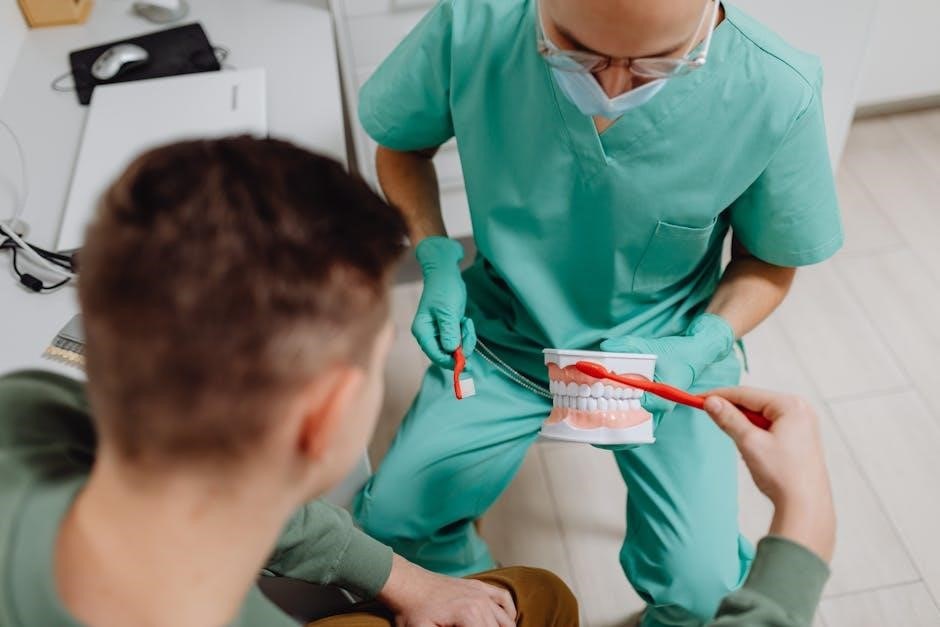
Consistent oral hygiene and regular dental check-ups are vital for maintaining bone health and ensuring the longevity of the grafted area.
Optimal jaw health relies on sustained care and adherence to your dentist’s recommendations throughout this extended healing phase.
Final Bone Density and Implant Placement
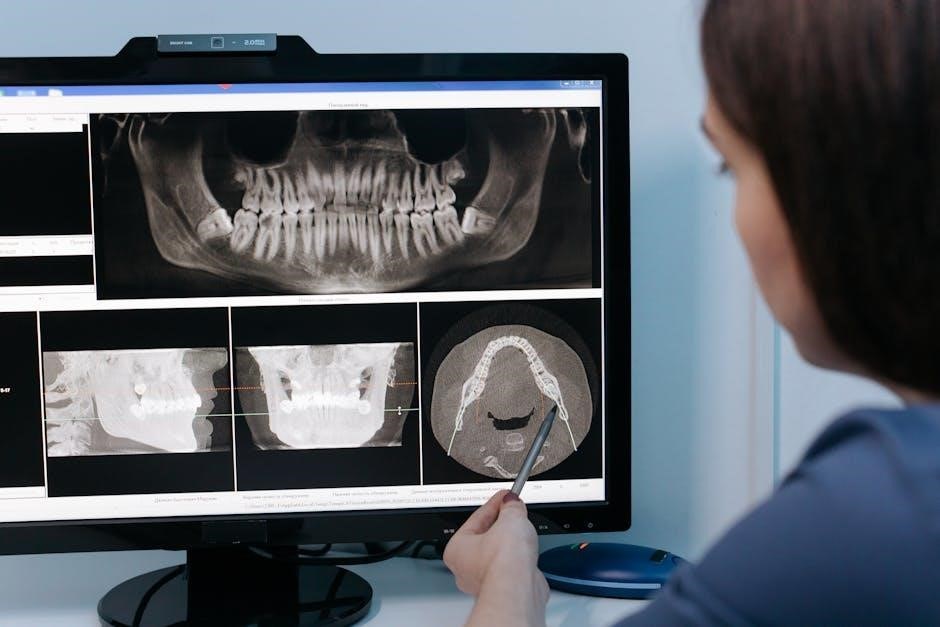
Achieving sufficient bone density, typically around 3-6 months post-graft, is paramount before considering dental implant placement. Your dentist will utilize advanced imaging techniques, such as cone-beam computed tomography (CBCT) scans, to meticulously evaluate the graft site and confirm adequate bone volume and stability.
Implant placement timing varies based on individual healing rates and the type of bone graft used. Autogenous grafts generally allow for earlier implant loading compared to synthetic or allograft options. A solid foundation is crucial for long-term implant success, preventing complications like peri-implantitis.
Prior to surgery, a comprehensive treatment plan will be developed, outlining the implant size, position, and surgical approach. Maintaining meticulous oral hygiene and attending all follow-up appointments are essential throughout this process. Remember, a successful implant relies on a well-integrated bone graft and diligent post-operative care.
Carefully following your dentist’s instructions will maximize the chances of a stable and functional implant restoration.
Factors Affecting Healing Time
Several factors can influence the dental bone graft healing timeline. Individual health plays a significant role; conditions like diabetes or autoimmune diseases can impede healing. Smoking drastically slows down bone regeneration and increases the risk of graft failure, so cessation is strongly advised.
The type of bone graft used also impacts healing. Autogenous grafts, utilizing your own bone, typically heal faster than allografts or synthetic materials. Graft size and location matter too – larger grafts and those in areas with limited blood supply may take longer to integrate.
Adherence to post-operative instructions is critical. Maintaining excellent oral hygiene, following dietary restrictions, and attending all follow-up appointments contribute to optimal healing. Age and nutrition also play a role; a balanced diet supports tissue repair and overall health.
Consistent care and a healthy lifestyle are key to a successful outcome.
Autogenous Tooth Bone Grafting ⎻ A Novel Approach
Autogenous tooth bone grafting represents an innovative technique in dental bone regeneration. This method utilizes a patient’s own extracted tooth material, carefully processed into a biocompatible grafting scaffold. This approach offers a unique advantage, leveraging a readily available source of bone for reconstruction.
The extracted tooth’s structure contains viable bone cells, promoting enhanced bone formation within the defect site. Processing transforms the tooth into a scaffold that supports cellular attachment and vascularization, crucial for successful integration. This technique minimizes the risk of rejection or immune response, inherent with allografts.
Compared to traditional methods, autogenous tooth grafting can potentially accelerate healing and improve bone density. It’s particularly beneficial in localized defects, offering a tailored solution for specific patient needs. Post-operative care remains similar to other bone grafts, emphasizing gentle cleaning and dietary restrictions.
This novel approach expands treatment options for bone loss.
Enhancing Bone Graft Success: Lifestyle Considerations
Optimizing your lifestyle significantly impacts dental bone graft success. Smoking cessation is paramount, as it severely compromises blood flow, hindering bone regeneration and increasing the risk of graft failure. Nutritional support is equally vital; a diet rich in protein, calcium, and vitamin D provides the building blocks for new bone formation.
Adequate hydration is crucial for overall healing and supports the metabolic processes involved in bone repair. Managing stress levels is also beneficial, as chronic stress can suppress the immune system and impede healing. Gentle exercise, within the limitations set by your dentist, can improve circulation.
Avoid strenuous activities and heavy lifting during the initial healing phases to prevent disruption of the graft site. Prioritize sufficient sleep, allowing your body to dedicate resources to tissue repair. Consistent adherence to these lifestyle modifications maximizes the potential for a strong, stable bone graft.
Proactive lifestyle choices contribute to a lasting result.